

Do plants need winter protection?
Winter is hard on any plants. It is a period when plants stop growing and focus on survival until spring comes again. Most perennial plants spend the winter hibernating in their roots and/or stems. Some plants are well adapted to cold weather, and usually don’t need added protection. They use methods like cell desiccation, dying back to their roots, and storing sugars in their cells to keep themselves from freezing.
Just look outside and you’ll notice plants and weeds that grow happily without any human intervention. These adapted plants have built-in winter protection. Many of our garden plants (with some exceptions) have less built-in winter protection and need help to survive their best over the winter.
Types of winter damage and how to prevent them
Winter damage shows up as cracks in bark, brown foliage on evergreens, broken branches, and brittle or dead branches.
Cracking bark happens in areas with cold temperatures and bright sunlight over the winter. The bark on the west and south sides of a tree will warm up in the sun and become active. Once the sun sets the active tissues are more easily damaged by the cold. Prevent this by wrapping trees in Fall or painting trees with white tree paint.
Brown foliage on evergreens during the winter is often due to dry winter winds. Build a wind break, wrap young or newly-planted evergreens with burlap, or plan ahead by planting trees in protected locations. Water through Fall and into early Winter for added protection. Continue regular watering until the ground is frozen to prevent browning by keeping your trees and shrubs hydrated.
Brittle or dead branches are a symptom of a plant dying back partially during Winter. It happens when a tree or shrub is not adapted to the cold weather, experiences unusually cold temperatures, or is stressed going into the winter months. Always choose plants that are adapted to temperatures colder than you expect to have. This gives you a buffer for unexpected cold weather.
Plant your more sensitive plants on slopes or areas where they will not collect a “pocket” of cold air. Cold air pockets will form in lowest parts of a property or in basins. Make sure any slopes you plant on are facing away from prevailing winter winds to prevent desiccation.
Always avoid stressing plants just before Winter. Make sure your plants are hydrated, do not prune, and keep damage to a minimum. When in doubt, use added methods for winter protection.
Added methods for winter protection
Sensitive plants, young plants, and stressed plants all benefit from extra protection during winter. Mulch, frost blankets, low tunnels, and heat tape are some simple ways to protect them from cold damage.
Mulch is the simplest way to protect perennial plants in Winter. An organic material like pine straw, bark chips, wood chips, or leaves will insulate plant roots. Mulch actually prevents extremes in temperature from both heat and cold. As a result, it stops flowering plants from being tricked into breaking dormancy too early. Trees and shrubs that break dormancy early can lose flowers and new growth to cold snaps.
Frost blankets work by making a pocket of warmer air around the plant. They are most effective on short plants like strawberries but they can benefit larger trees by protecting sensitive buds. Heat escapes from the ground and from plant tissues through the night. Wrapping a frost blanket around your plant traps some of those heat waves close to the plant. It may only raise the temperature by a few degrees, but even a few degrees makes a difference to a plant facing extreme cold.
Low tunnels are frost blankets or greenhouse plastic draped over a frame. They act as a miniature, unheated greenhouse. The frame keeps the covering from touching plant leaves and makes it easier to vent. Just like frost blankets used without a frame, low tunnels can protect plants by making a pocket of warmer air. Plastic coverings heat up more than fabric coverings. They may need to be opened to vent extra heat on sunny days.
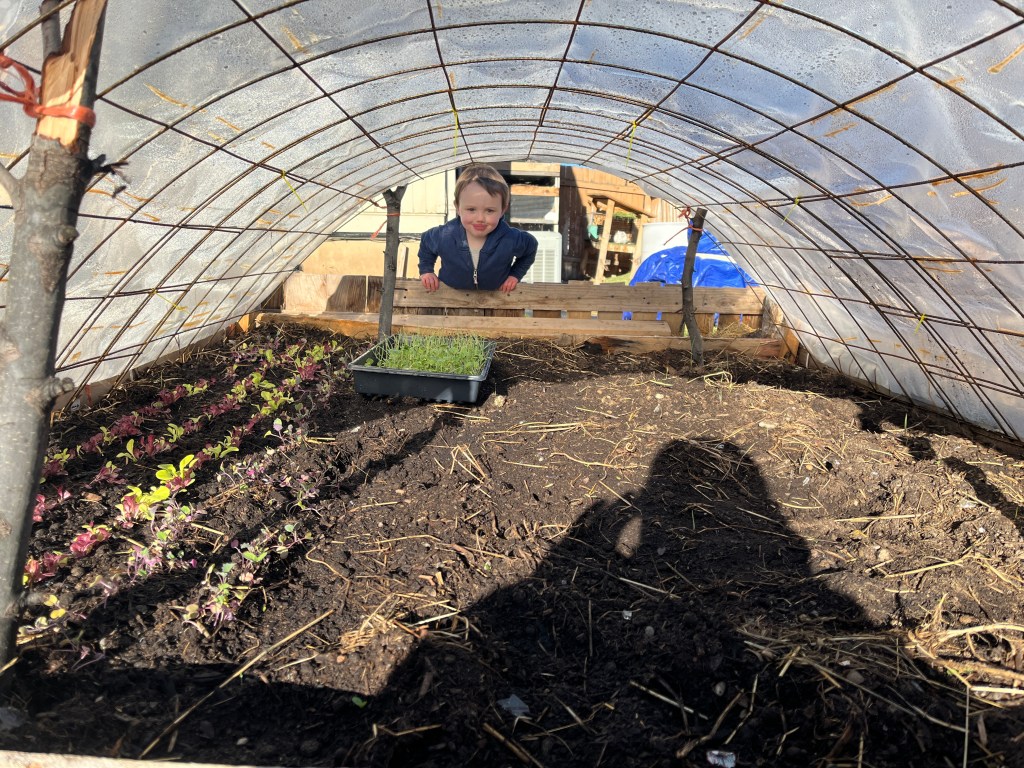
Heat tape can be used in combination with other protection methods. Placing heat tape on the soil in a low tunnel can provide extra warmth. This is beneficial for plants transplanted out of season. It is also helpful for plants that are especially sensitive. Larger trees can even be wrapped with heat tape to protect the sensitive buds from cold snaps. Just ensure the tape has a temperature sensor to avoid cooking the plant.
Extending the season for annual crops
Most vegetable gardens are filled with annual plants like lettuce or temperate annuals like tomatoes. These plants avoid winter by producing seeds before they die in the fall. These species bet their survival on the seeds growing into new plants the next spring.
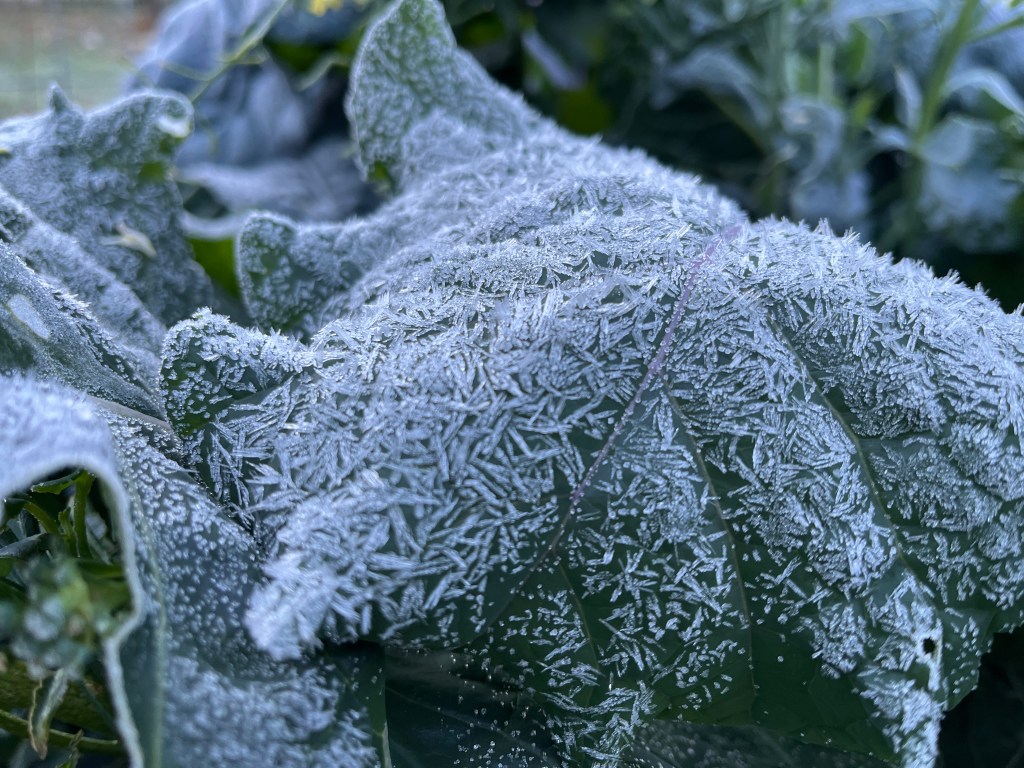
Many of the same methods that protect perennial plants can allow us to grow annual crops out-of-season. Start your seeds indoors and gradually move them outside into a low tunnel during the winter. This method works great for loose leaf lettuce, chervil, and salad kale. Combining low tunnels and heat tape can extend the season for more sensitive crops as well.
Frost blankets can be used to protect vegetables from cold snaps at the end of Fall. This way, the growing season can be extended by a few weeks. I protect squash from early freezes with this method.
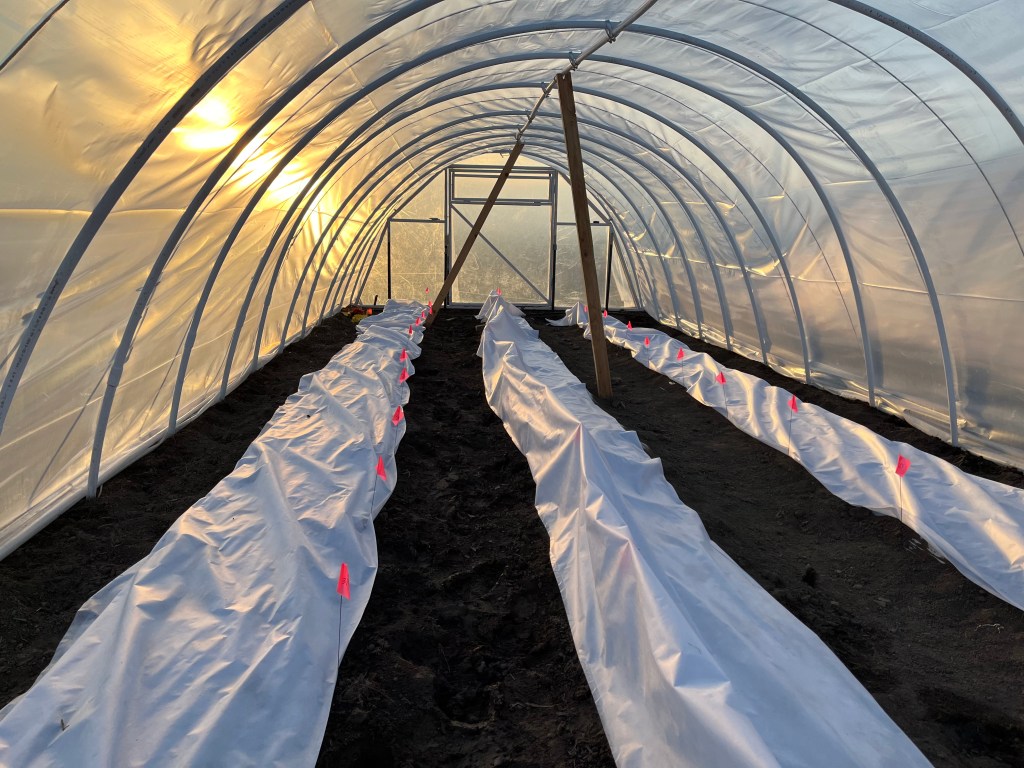
Different types of mulch can be used to heat the soil. Rock and plastic mulches heat up in the sun, while organic mulch will insulate against extreme temperatures. Planting transplants through plastic or rock mulch can warm the soil enough for earlier spring planting. It is most effective if combined with low tunnels or frost blankets.
Final Thoughts
Protecting our garden plants through the winter is important to keep them in their best health. Keep your garden growing and enjoy the winter season. Let me know in the comments if you have questions and what your winter garden looks like. Happy gardening!

Let me know if you plant a fall garden or if you plan to! Happy planting!
 gardenersshelf.com
Leave a comment