
Is Fall a Good Time to Plant?
Fall can be a great time to plant perennials like fruit trees and berry bushes. The weather is adjusting to be easier on new plants. In fall the temperatures cool and in many areas there is more rain. These weather conditions make it less stressful for the plant, compared to planting in the summer.
Planting in the fall also gives your plants a chance to grow strong root systems before the spring. For fruiting trees and shrubs this means that you could get fruit the very next year. Plants grown just for spring blooms will be larger and ready for a beautiful show after the winter.
What can be planted in the Fall?
The best plants to put in the ground during the fall are cold hardy. Plants that can handle a few growing zones colder than where they are being planted tend to establish more easily. They perform better than plants at the edge of their cold tolerance. In my area of zone 5b I prefer to plant things that are hardy to zones 4 and colder in the fall, and more sensitive plants under protection or in the spring. I’ll overwinter my more sensitive plants in my insulated, but unheated, garage.

When Should I plant?
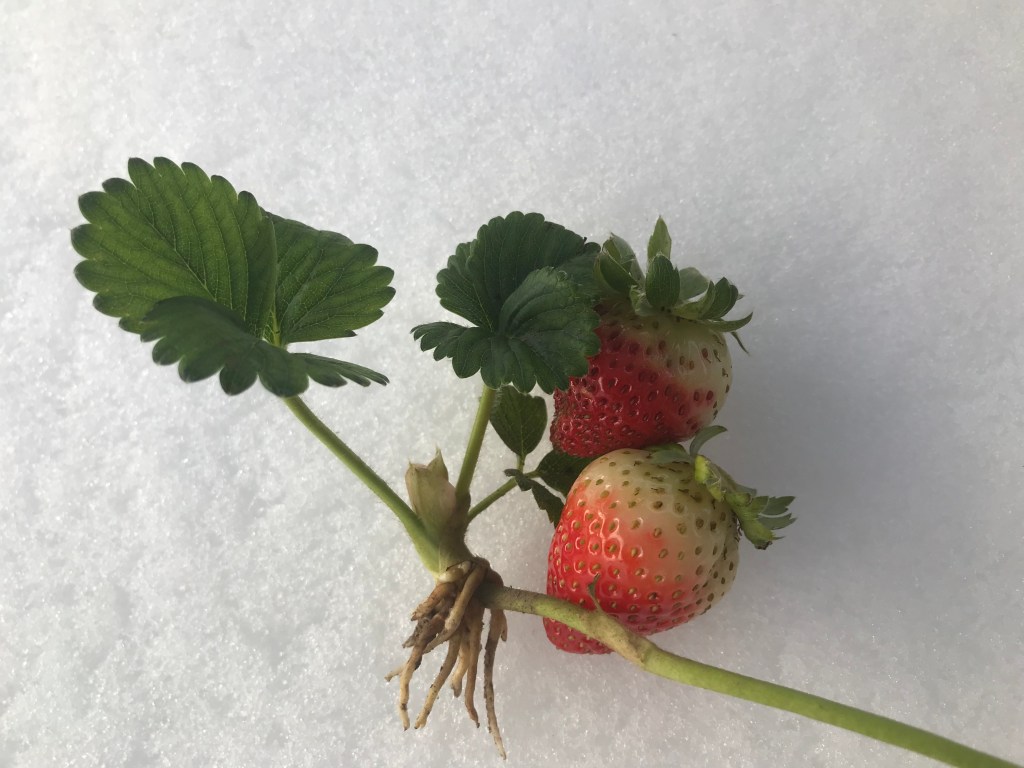
Give perennial fruit trees 6-8 weeks to grow before the fall frosts. August is the best time to plant fall plants in much of the inter-mountain western U.S. Some low-growing perennial fruits like strawberries and honeyberries can be planted with as little as 4 weeks before the first frosts. I recommend giving these plants extra protection with frost blankets. A thick mulch around any plants also provides extra winter protection. Mulch mimics natural plant habitats where organic matter builds up each year. It both reduces stress from temperature extremes and conserves moisture.
Extra Protection for the Fall
In the shoulder seasons some extra protection does a lot to keep our gardens healthy and productive. Making hot beds, low tunnels and high tunnels, and using row covers or dark colored plastic mulches all extend the growing season. In very cold climates this can be the only way to grow some of our favorite fruits and veggies.
In every area with a cold winter season some extra protection from 3 inch thick mulch and row covers will prevent winter damage. If unexpected early frosts threaten your plants, put a row cover, blanket, or even an upside down bucket over the plant before the sun sets. Sunlight is trapped inside these protectors as heat. They are most effective if put on a few hours before sunset.
What about Watering?

Keeping plants watered through the winter keeps them healthy enough to endure the cold. One of the most common reasons plants die over the winter is from drought stress. Water through the fall and into the winter until the ground freezes solid or for as long as possible. After the ground freezes it can be impractical to water as often. If snowfall is low, and the sun is intense like in many high elevation gardens, you should water young trees and perennial plants by hand until rain or snow returns. In normal years older plants can handle the harsh conditions of winter. Young plants that have been planted less than two years are more sensitive.
Summary
Fruits can be planted in the fall to get a harvest as soon as the next spring. Be sure to choose varieties that are cold hardy, and use extra protection to get your plants through the winter. Some plants can be planted with as little as 4 weeks before the area freezes. However, it is better to give most plants 6 to 8 weeks so they have time to establish. Water plants through the winter for the first two years or whenever there is a winter drought.
What are your season extension techniques? Let me know in the comments below!
 gardenersshelf.com
Leave a comment