
Bindweed is probably the bane of all gardener’s existence.
Bindweed and morning glories are small vining plants that quickly overtake landscapes and gardens when left unchecked. Controlling any weeds takes diligence in the garden, but bindweed takes more effort than most. Below are some tips backed by science and experience to help you in your war against these weeds.
- Tip #1
Keep the ground covered at all times. Whenever the soil is tilled new seeds in the seed bank are exposed to light and can be triggered to start growing. Weeds like prickly lettuce and dandelion are often waiting for the perfect conditions from tilling and/or enough moisture in the soil to begin their life cycle. bindweed seeds wait in the soil as well and can wait 50 years before growing. If you do till your garden, mulch deeply over the soil and around your garden plants. Mulching is an important part of no-dig gardening too with benefits like better nutrition for your plants and less weeding.
- Tip #2
Don’t remove your ground cover plants (AKA grass). When many of us are putting new gardens in our yard we do it over the top of either lawns or other plants that were already growing there. The pathways between your garden beds should be covered in some kind of ground cover at all times, otherwise weeds will take advantage of the open space and any nutrients and water that spill from your garden. The simplest way to keep unwanted plants from taking over a space is to fill that space with another plant that can compete with the weeds.
If your garden space was previously a neglected space already overgrown with unwanted weeds, mow them down and smother them with thick cardboard before planting healthy sod-forming plants on top such as turf grass or dense clover. According to an article by Doyle, Morgan and McDonald using “dense plantings of bunch grasses and legumes” will often become a “smother crop” that can outcompete and weaken bindweed (Organic Noxious Weed Management).
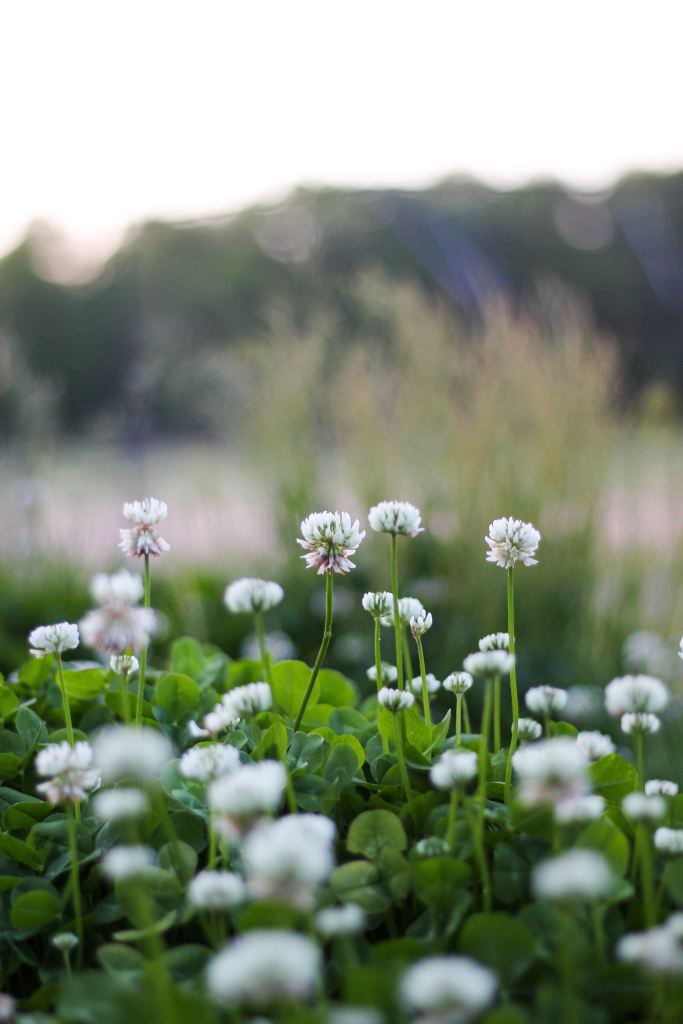
Bindweed can be suppressed by using cover and smother crops like clover
- Tip #3
Use Heat. Bindweed is a perennial plant that spreads through above-ground and underground stems. When you pull bindweed stems from the ground they snap and leave some behind in the ground. The snapped end tells the plant to spread and send up more shoots. While it may work to diligently hand pull a small infestation of the invasive weed, bindweed, pulling the plants can sometimes make things worse. In addition to hand pulling, use black plastic mulch, steam, and/or fire to kill stems without snapping them.
Place black plastic mulch after watering and include a few feet of overhang. Place logs or other heavy items around to edges of the plastic to keep it from moving or from venting any of the heat. Next allow it to bake in the sun for as long as possible. This method will kill above ground stems in as few as a few days, but works best if you can leave the plastic in place for up to a year.
Steam can be spot applied to any kind of weed in your garden. Using a steam gun, steam cleaner, or even boiling water will kill stems and often the roots of the plant. Bindweed has an extensive root system so steaming one stem to death will usually not kill the entire plant. It will however not encourage the plant to send up new stems like hand pulling so diligent hand-steaming will weaken and control bindweed when combined with a smother crop.
Fire can be another effective method of weed control when used carefully and diligently.
- Tip #4
Remove all weed’s seed heads and bindweed’s stems. As you go about any work in your garden be sure to keep your eyes open for any weeds that may be going to seed. All flowering weeds should have their flowers removed. I effectively controlled the dandelion infestation in my yard by picking any new dandelion flowers that appeared and then feeding them to some rabbits. This approach is one of the most effective ways to keep weeds out of your yard or garden. By plucking just the flowers you can remove hundreds to thousands of potential weeds in one fell swoop. Bindweed flowers are especially important to remove since they can produce seeds just a few weeks after they flower and those seeds last up to 50 years.

- Tip #5
Careful what you compost! If you notice any weeds with seeds or any bindweed stems as you are weeding, DO NOT COMPOST THEM. Putting weed seeds back into your compost will just introduce those seeds back into your garden when your compost is used. Find a way to thoroughly destroy any seeds and any bindweed stems that you don’t want to have growing in your garden. After I pull bindweed I put it on top of the glass on my cold-frame where the sun beats on it until it dries to a crisp. Not only is this very satisfying, but it works to kill the entire stem so that it can never, ever, sprout again. Seeds may have to be disposed of in another way, just be sure they will not sprout. Sometimes I feed weed seeds to my quail and I’ll add dried bindweed as a small part of rabbit’s hay. Be sure to research what is acceptable for your animals before you feed them weeds or weed seeds.


 gardenersshelf.com
Leave a comment