
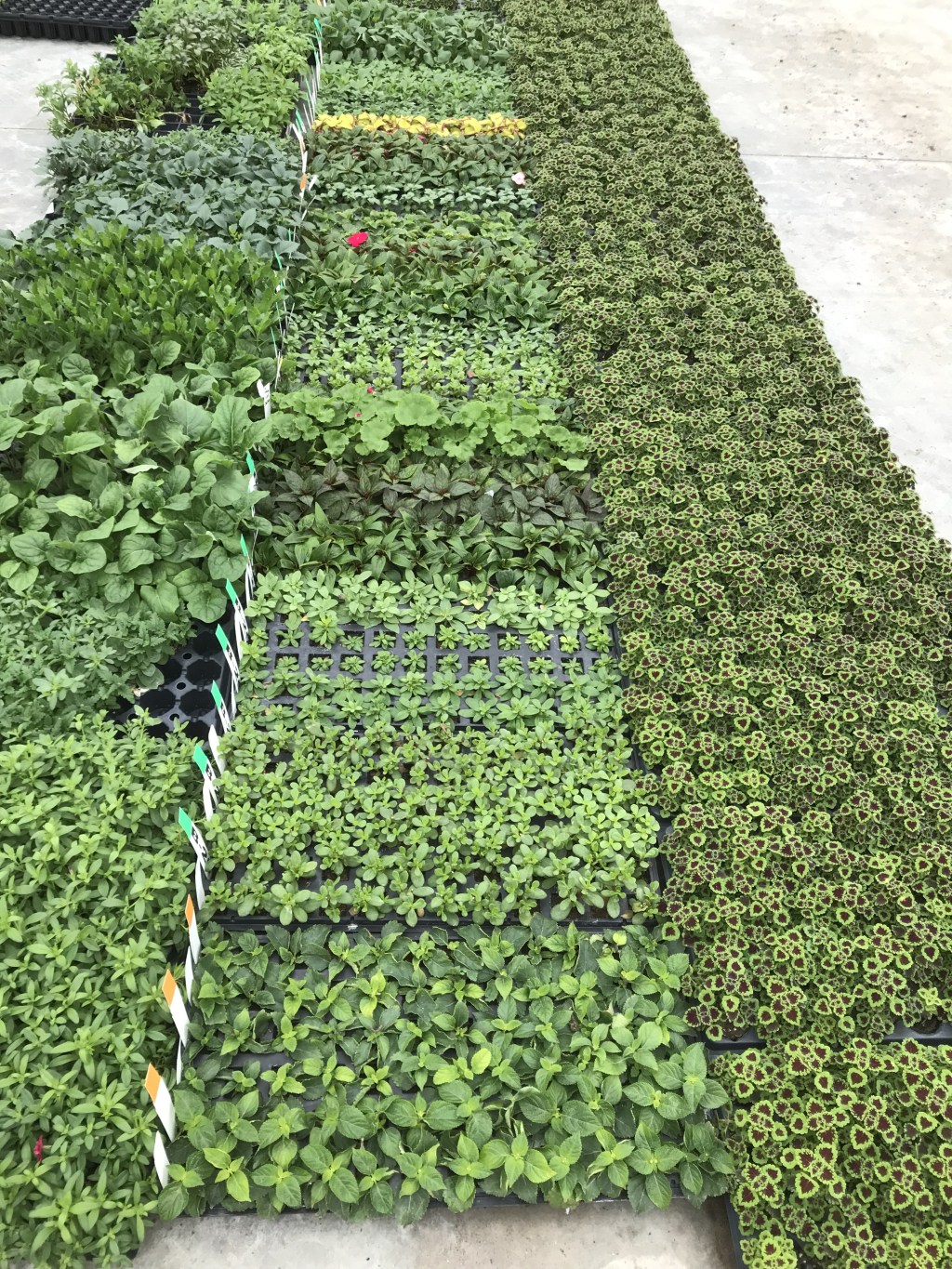
A guide to planting your seeds outdoors and tips on how to start the growing season early.
The first question I get when someone orders a new seed packet is “when should I plant this?”. Your exact planting date will depend on your location but we have put together a chart that should help anyone looking for the right time to plant seeds.
Whether your seeds are heirloom and natural varieties from Gardener’s Shelf, seeds you saved yourself, or seed packets from somewhere else, read on to find out when to plant common types of seeds.
| Plant Name | Minimum soil Temperature | Air Temperature | Time Of Year to Plant (in Utah) |
| Chervil | 40 degrees F** | 14-75 degrees F | February to May |
| Carrots | 40 degrees F | 32-80 degrees F | Late April |
| Lettuce | 40-80 degrees F* | 32-75 degrees F | Late April |
| Basil | 50 degrees F | Over 40 degrees F | Middle to late May |
| Potatoes | 50 degrees F | Over 40 degrees F | Middle to late May |
| Kohlrabi | 40 degrees F*** | 45-75 degrees F | Middle to Late May |
| Sunflower | 50 degrees F | Over 40 degrees F | Middle to Late May |
| Chamomile | 45 degrees F | Over 40 degrees F | Middle to Late May |
| Cucumber | 65 degrees F | Over 50 degrees F | Early June |
| Peppers | 60 degrees F | Over 50 degrees F | Early June |
| Tomatoes | 60 degrees F | Over 50 degrees F | Early June |
| Corn | 60 degrees F | Over 60 degrees F | Early to Middle June |

More information about growing specific plants in your garden can be found on Utah State University’s growing guides here.
Start the Growing Season Early
In places that have a short growing season, like Northern Utah, even a few more days in the growing season can make a big difference. Row covers, hot caps, plastic mulch and growing indoors can help you jump-start the growing season, even without a fancy heated greenhouse.
Row Covers
Protecting your crop with row covers can raise the temperature directly around your plants. Even a few degrees can keep your plants from suffering from frost damage.

Row covers can be simple fabric, thick quilts, or even plastic. Just make sure to monitor the temperature under your row covers. Once the sun comes out it can actually get too warm! Removing the row covers after sunrise and replacing them a few hours before sunset is a common practice. You can even use row covers temporarily if a late-season chill is expected overnight.
Hot caps
Hot caps are something that is placed over an individual plant to create a warmer zone just around the leaves. This warmer zone can be called a microclimate and it is kind of like having a tiny greenhouse for just a single plant.
Most hot caps are transparent to allow light to get to your plants but if you are only protecting your plants for an overnight freeze you can use anything. Even bowls and buckets can be set over your plant to protect it. If you are keeping a hot cap on your plant during the day, use something like a milk jug that will allow some light inside. Milk jugs can have the added benefit of venting by removing the cap.
Plastic Mulch
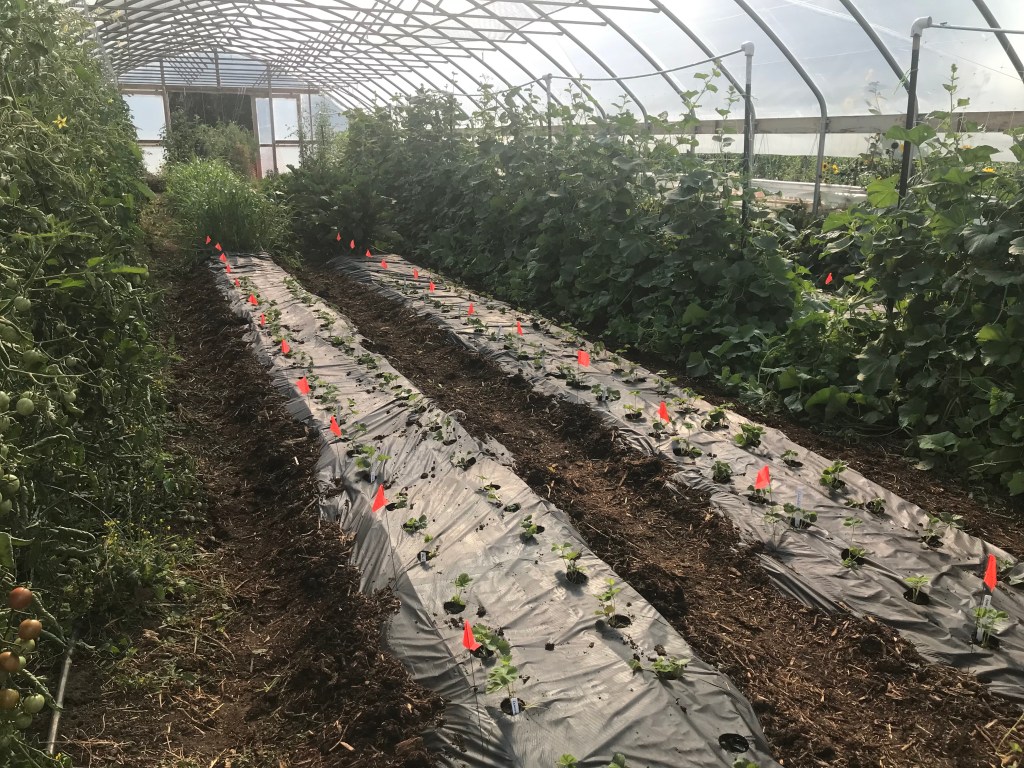
Plastic mulch can allow your vegetables to produce 2 to 3 weeks earlier than plants grown without a plastic mulch, according to Tiffany Maughan in a study by Utah State University. Black and clear plastic mulches warm the soil and allow you to plant sooner while giving your crop better conditions to grow. White plastic mulches are used to cool the soil during hot summer months.

Starting Indoors
The simplest way to get a jump on the growing season is to start your plants indoors before the last frost. After your plants are big enough with 3 to 5 ‘true leaves’ and the weather is warmer they can be moved outside to the garden.
Some tips for growing healthy seedlings are to make sure they get enough light and to pinch certain plants back to allow them to branch. For a more detailed guide on starting seeds indoors see our guide for seed starting.
References
Maughan, Tiffany and Drost, Dan, “Use of Plastic Mulch for Vegetable Production” (2016). All Current Publications. Paper 786.
https://digitalcommons.usu.edu/extension_curall/786
 gardenersshelf.com
Leave a comment